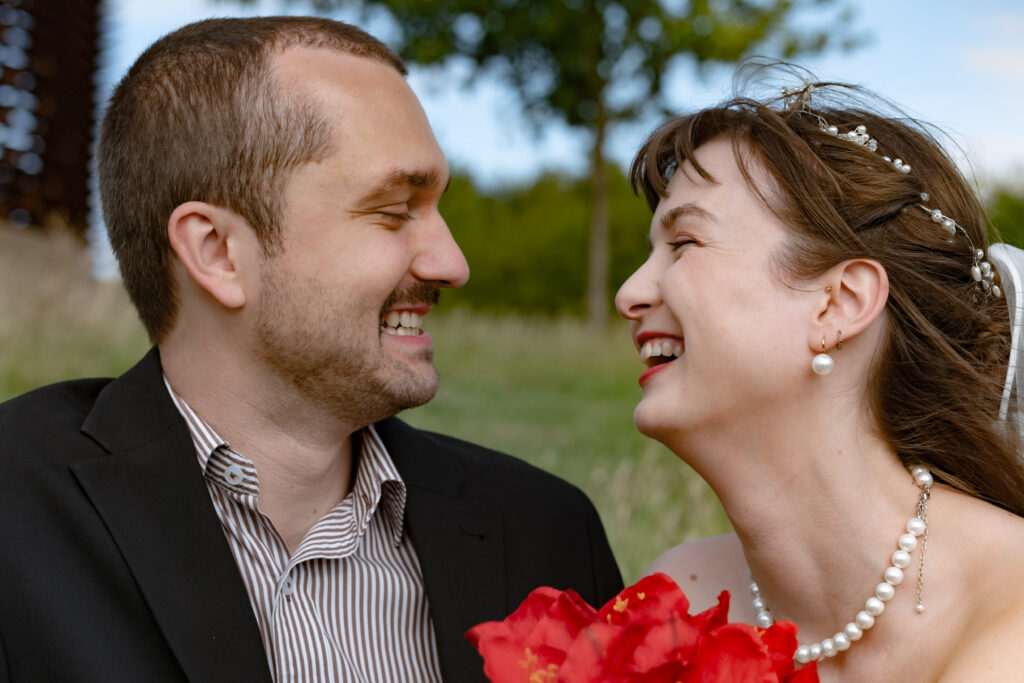
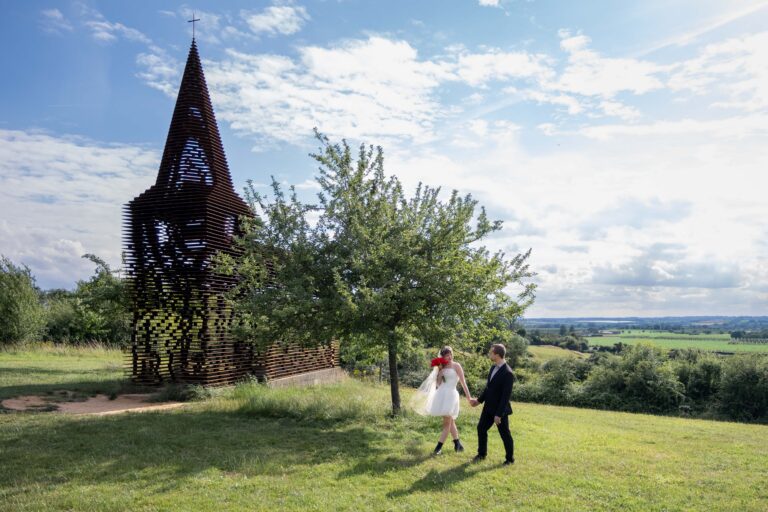
Photography guidance starts before the wedding
A calm elopement rarely happens by accident. In most cases, it begins long before the wedding day itself, with thoughtful preparation and clear communication. A skilled destination wedding photographer does much more than arrive with a camera. They help couples understand how the day can feel, flow, and photograph best, which already removes a surprising amount of pressure.
Early guidance often includes conversations about priorities, personal comfort, travel realities, weather patterns, and the kind of atmosphere a couple wants to create. That is a valuable part of the elopement photographer role: helping two people shape a day that feels intentional rather than rushed. When couples know what to expect, they stop imagining a performance and start picturing a meaningful experience.
Planning support can also make emotional space for better photos. Instead of wondering when portraits happen or whether there will be enough daylight, couples can relax because those details have already been considered together.
When photography guidance starts early, the wedding day feels less like a production and more like a lived experience
That calm foundation often leads to more natural images, more presence, and a wedding day that truly reflects the couple instead of overwhelming them.
What logistics can a photographer help with?
Many couples are surprised by how much practical support an experienced photographer can offer. Especially for intimate weddings abroad, logistics and photography are closely connected. A photographer who regularly documents elopements often understands travel timing, terrain, light conditions, privacy concerns, and how to build a realistic plan around all of that.
For example, I may help estimate driving times between locations, suggest when to leave for a viewpoint, or advise whether a ceremony spot is better in the morning or near sunset. This kind of insight contributes directly to a more calm wedding timeline, because the day is built around real conditions instead of optimistic guesses.
Depending on the destination, I may also guide couples through practical details such as:
-Choosing accessible ceremony locations
-Planning around crowds and parking
-Allowing buffer time for hiking or wardrobe changes
-Considering wind, heat, or changing weather
-Creating space for meals, breaks, and quiet moments
This is where the elopement photographer role becomes part creative partner, part steady guide. Their logistical advice is not about controlling the day. It is about removing avoidable stress so the experience feels spacious, grounded, and beautifully manageable.
How do prompts reduce camera anxiety?
Most couples do not spend their lives in front of a camera, so feeling awkward at first is completely normal. This is exactly why thoughtful prompting matters. Instead of asking people to freeze into perfect poses, a photographer can offer simple actions or questions that create movement, connection, and ease. For many couples, that becomes real camera anxiety help.
Well-chosen elopement photo prompts shift attention away from the lens and back toward each other. A prompt might invite you to walk hand in hand, whisper a memory, or take a quiet breath together before vows. These small directions create something to do, which helps replace self-consciousness with presence.
The goal of prompting is to make room for real emotion
Prompts are especially helpful during the first part of the day, when nerves are often highest. Once couples realize they do not need to perform, their shoulders soften, their expressions become more genuine, and the experience starts to feel much lighter.
That is why an experienced destination wedding photographer treats prompts gently. They are not scripts. They are invitations that make the moment feel easier, more human, and more true to the relationship being photographed.
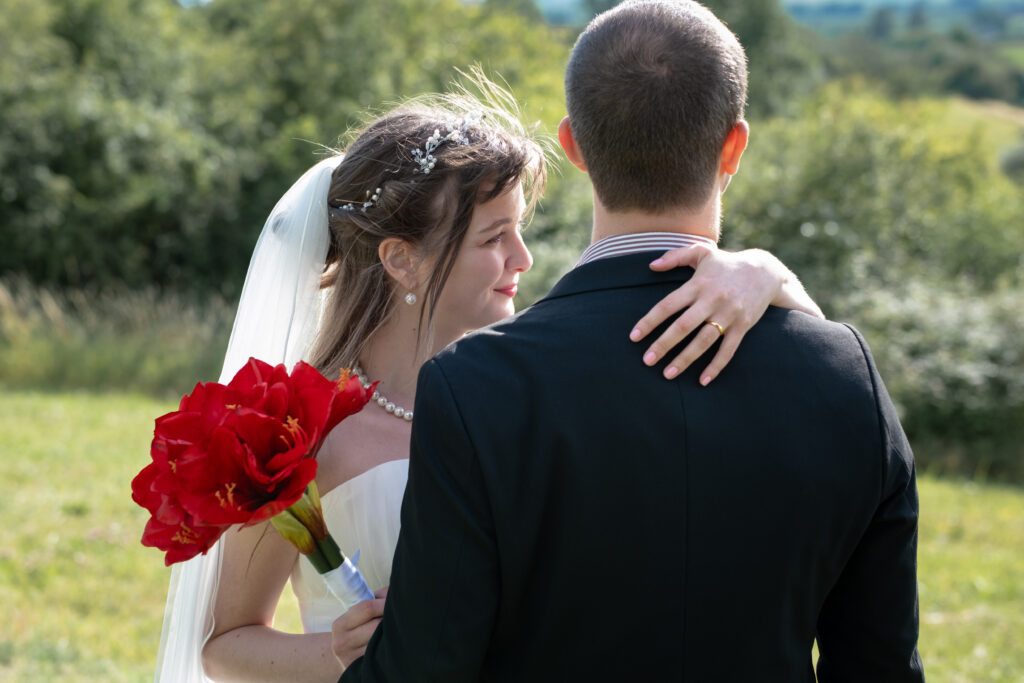
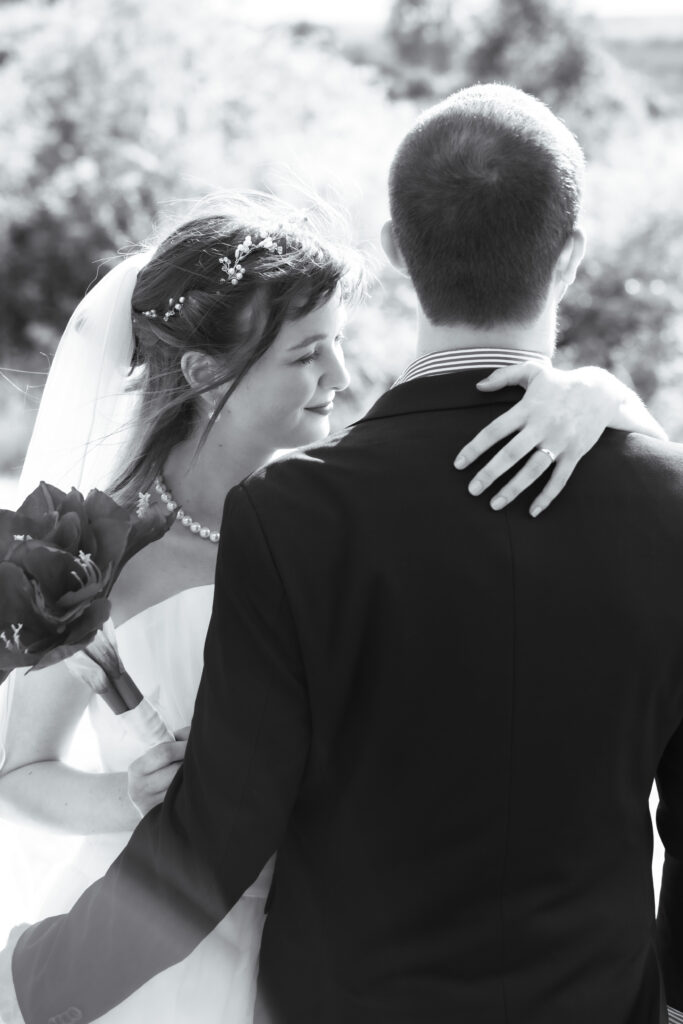
A steady timeline creates room to breathe
One of the biggest reasons elopements feel calm is that they can be built with intention. Still, even an intimate day can become stressful if the schedule is too full. A thoughtful timeline does not pack in as much as possible. It creates rhythm, pauses, and enough flexibility for the day to unfold naturally.
A photographer often plays an important role here because they know how long different moments actually take. Getting ready, first looks, travel, ceremony, portraits, and celebratory meals all need breathing room. Without that space, couples end up hurrying through meaningful parts of the day or watching the clock instead of enjoying themselves.
A good calm wedding timeline usually includes quiet transitions. Those in-between moments matter just as much as the headline events, because they allow emotions to settle and the experience to feel real rather than rushed.
-Buffer time before the ceremony
-Extra travel time for scenic routes or weather delays
-Short rests for water, food, or regrouping
-Unhurried portrait time around the best light
This is where the elopement photographer role supports the full experience. By shaping a timeline with care, they help protect what couples are often seeking most: peace, presence, and the feeling that there is truly time to breathe.
Location advice affects light and privacy
The right location does more than look beautiful in photos. It influences how private the ceremony feels, how relaxed the couple can be, and what kind of light shapes the entire visual story. That is why location advice is such a meaningful part of working with an experienced destination wedding photographer.
A stunning cliff, beach, mountain path, or historic village may seem ideal at first glance, but timing changes everything. Some places are magical at sunrise and crowded by afternoon. Others photograph best in softer evening light but may be windier or less accessible later in the day. A photographer who understands these patterns can guide couples toward choices that support both atmosphere and comfort.
Privacy matters too. Many couples choose an elopement because they want intimacy. If a location is constantly busy, that can affect nerves, vows, and overall ease. Strategic advice about lesser-known spots or quieter times of day often becomes unexpected camera anxiety help as well.
Beautiful light is important, but feeling emotionally safe in a place matters just as much
When location choices align with both practical realities and emotional goals, the result is not only better imagery. It is a day that feels softer, calmer, and more personal from beginning to end.
Which moments deserve more time than planned?
On paper, every part of an elopement can look equal. In reality, some moments deserve more space than couples first expect. These are usually the moments with emotional depth or natural unpredictability: getting ready slowly, reading private letters, exchanging vows, taking in the landscape after the ceremony, or sharing a quiet meal together.
Vows in particular often need more time than people plan for. There may be pauses, tears, laughter, wind, deep breaths, and moments of silence that should never be hurried. The same is true for portraits that happen in a meaningful place. When couples are finally relaxed, that is not the time to rush them on to the next item.
An experienced photographer helps identify these priorities early so the timeline reflects what matters most. For many couples, the most valuable parts of the day are not elaborate events but spacious, personal moments.
-Private vow exchanges
-First views of the ceremony landscape
-Sunset portraits in a meaningful location
-Time to simply sit, eat, and take it all in
This thoughtful pacing supports a more calm wedding timeline. It ensures the emotional heart of the day has room to unfold, instead of being compressed between logistical tasks or travel windows.
The Difference Between Posing and Gentle Direction
Many couples worry that wedding photography means standing stiffly, smiling on command, and wondering what to do with their hands. In a relaxed elopement setting, that approach often feels disconnected from the experience couples truly desire. The difference lies in how the photographer guides them.
Traditional posing often prioritizes appearance: where to stand, how to angle the body, and when to look at the camera. Gentle direction, however, begins with a different focus. It offers structure without forcing a performance. A photographer might suggest where to walk, when to pause, or how to turn toward each other, allowing the moment to feel both natural and flattering.
This approach is particularly beneficial for couples needing camera anxiety help. It prevents them from feeling abandoned in front of the lens while preserving the authenticity of the moment. The best elopement photo prompts and directions are subtle enough to keep couples emotionally connected, rather than overly conscious of being photographed.
Gentle direction supports genuine interaction, while heavy posing can interrupt it. That balance is central to the elopement photographer role. The photographer observes light, composition, and movement, guiding just enough for the images to feel beautiful, effortless, and profoundly true to the couple.
To learn more about how to capture your special moments, visit Annette Boon Wedding Photography.
FAQs
How does a destination wedding photographer help create a calmer elopement?
A destination wedding photographer often supports more than photography. I can help couples plan realistic timing, choose locations based on light and privacy, account for travel and weather, and guide the day in a way that reduces stress and creates more space for meaningful moments.
What logistics can an elopement photographer usually help with?
An experienced elopement photographer may help estimate travel times, suggest the best time of day for a location, plan around crowds, build in buffer time for hiking or wardrobe changes, and consider weather, parking, meals, and breaks. This kind of logistical guidance helps make the timeline feel manageable instead of rushed.
How do photo prompts reduce camera anxiety during an elopement?
Photo prompts give couples something natural to do instead of asking them to perform for the camera. Simple actions such as walking together, sharing a memory, or taking a quiet breath can shift attention away from self-consciousness and help expressions feel more genuine.
Why is timeline planning so important for a calm elopement day?
A well-planned elopement timeline creates breathing room between major moments. It allows time for travel, weather changes, quiet transitions, portraits in good light, and emotional moments like vows without forcing couples to watch the clock all day.