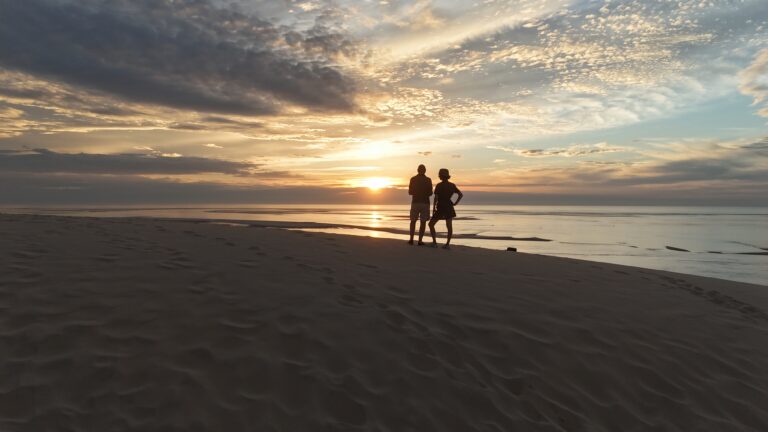
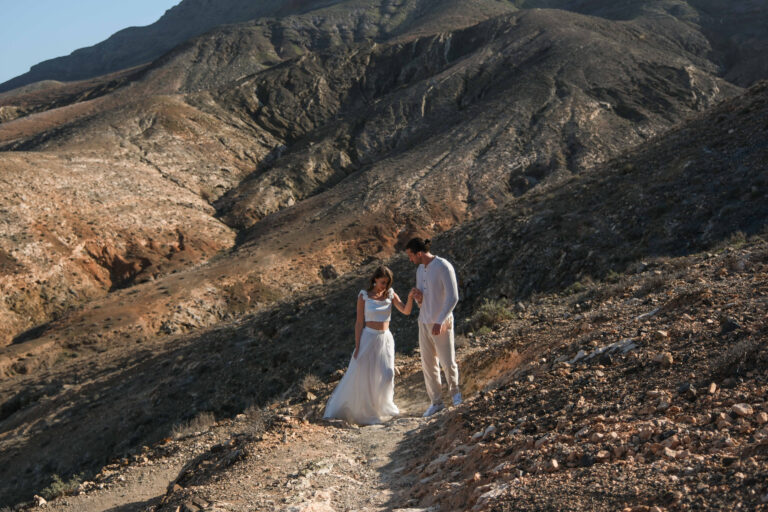
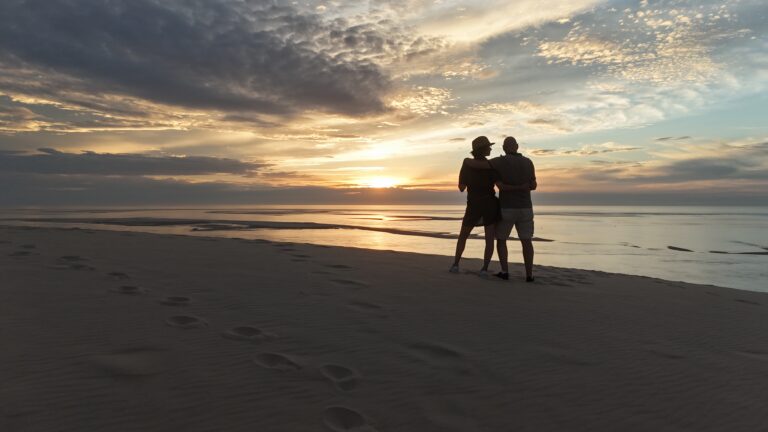
The right photographer also guides the day
When couples begin searching for an elopement photographer, they often start by looking at galleries. That makes sense, because beautiful imagery matters. But with an elopement, the person behind the camera often shapes far more than the final photographs. A thoughtful photographer helps create the rhythm of the day, making sure it feels calm, personal, and true to the couple.
Unlike a large traditional wedding with planners, coordinators, and a fixed venue team, an elopement usually has fewer moving parts and fewer people involved. That means your photographer often becomes a steady presence from the earliest stages of planning. They may help with location ideas, timing suggestions, light considerations, and small decisions that make the day flow naturally rather than feel rushed.
Good photography guidance is not about taking over. It is about helping couples protect what matters most: privacy, emotion, and space to be fully present. A photographer who understands elopements knows when to step in with direction and when to step back so a moment can unfold on its own.
A meaningful elopement is not built around posing all day. It is built around creating a day where real moments can happen.
That is why choosing the right photographer is also about trust, energy, and experience. You are not only hiring someone to document your vows. You are inviting someone into one of the most intimate days of your life, and their way of guiding the experience will influence how that day feels from beginning to end.
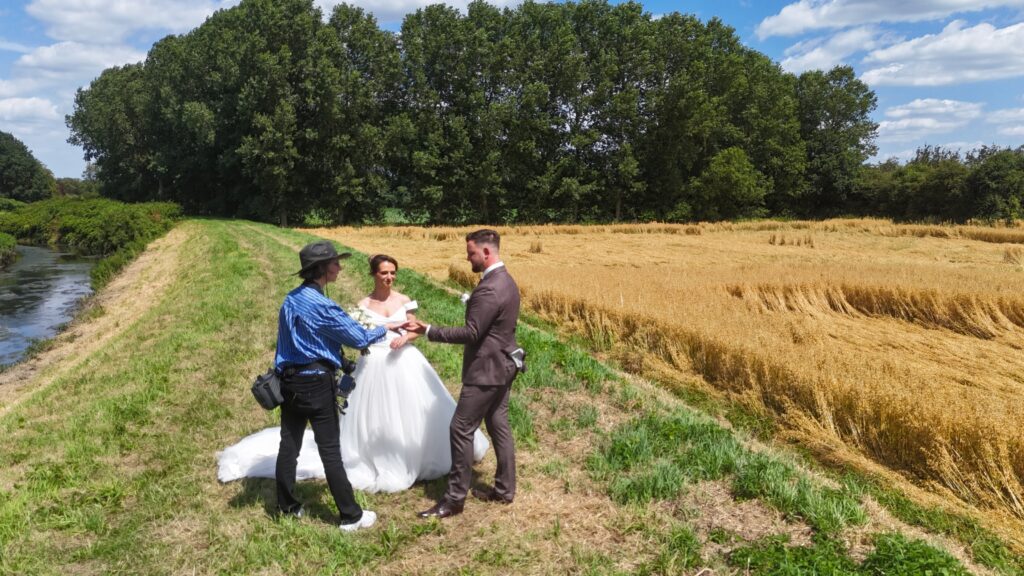
What services should elopement photography include?
Strong elopement photography services usually begin long before the wedding day itself. For couples planning an intimate celebration, especially in another country, the most valuable service is often support. Beautiful images matter, but so does having someone who helps you make thoughtful choices about location, timing, movement, and atmosphere.
A well-rounded service often includes planning calls, help refining the timeline, and advice about the best time of day for light and privacy. For a destination wedding photographer, local or regional knowledge can be especially helpful. Knowing how wind behaves on a coastline, when a viewpoint gets busy, or which route is easiest in formal attire can make a real difference to the experience.
Many couples also appreciate practical deliverables after the day is over. These might include an online gallery, high-resolution files, album design options, and artwork such as fine-art prints or enlargements that turn the images into something lasting.
– Planning support and timeline input
– Location and light guidance
– Photography coverage on the day
– Professionally edited online gallery
– Album, print, or wall art options
The best services feel personal rather than generic. Instead of offering only hours and files, a strong elopement photographer helps shape an experience that feels unhurried and intentional. That is often what couples remember most: not just what was photographed, but how supported they felt while living it.
Experience matters when conditions keep changing
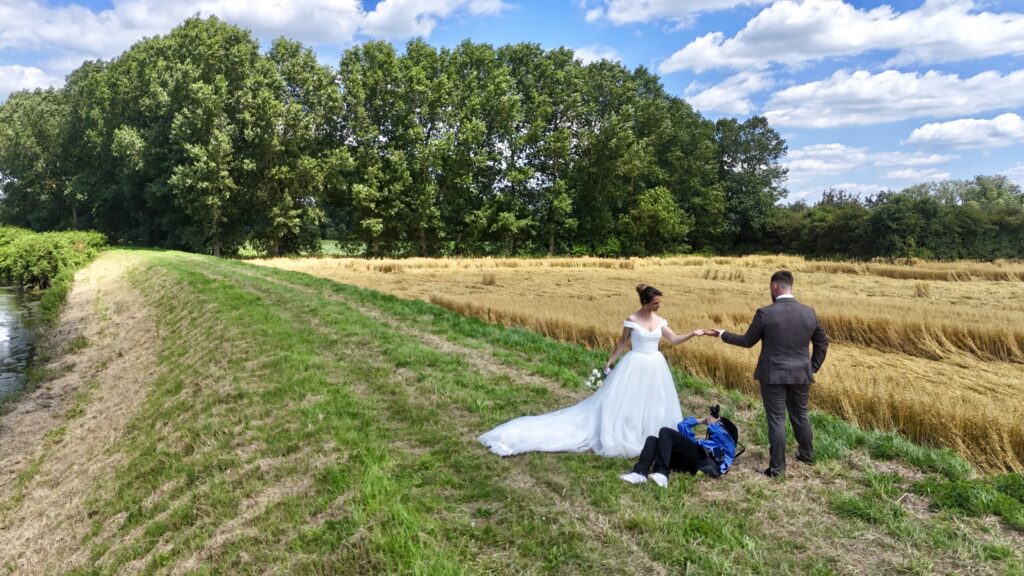
Elopements often happen in wild, open, or unfamiliar places, which means conditions can shift quickly. Light changes. Wind rises. A trail takes longer than expected. A scenic beach suddenly becomes crowded. This is where experience becomes one of the most valuable things a couple can invest in when hiring an elopement photographer.
An experienced photographer knows how to adapt without turning the day into a problem-solving exercise for the couple. If the weather shifts, they can adjust the timeline. If the original spot loses its sense of privacy, they can guide you to another angle or nearby location. If clouds soften the light, they understand how to use that atmosphere beautifully instead of treating it as a setback.
This matters even more for couples planning with a destination wedding photographer. In places shaped by sea, wind, mountains, or strong seasonal changes, flexibility is part of the job. Real expertise is not only about camera settings. It is about reading a landscape, managing energy, and staying calm when the plan needs to bend.
In elopements, the best moments often happen because the day stays flexible.
Experience also helps with emotional changes. Nerves, tears, silence, and unexpected laughter all deserve space. A photographer who has guided many intimate weddings can recognize those shifts and respond gently. That kind of steady presence helps couples remain present, even when the environment keeps changing around them.
How much coverage do couples usually need?
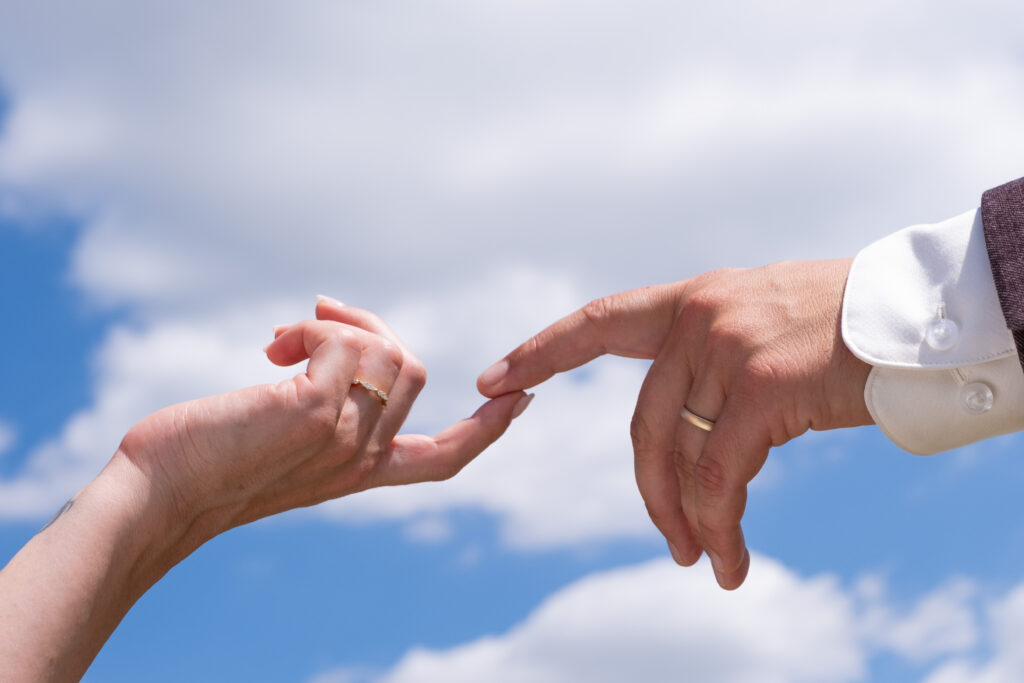
One of the most common questions couples ask is how many hours of coverage they actually need. The answer depends less on wedding tradition and more on the atmosphere you want for your day.
Elopements are often slower and more intentional, so the coverage should capture the full experience rather than just the ceremony.
Some couples prefer a short, simple celebration that includes getting ready, a private vow exchange, and nearby portraits. Others desire a more comprehensive story: a sunrise walk, travel between locations, handwritten vows, a ceremony, a meal together, and quiet evening light. In such cases, more coverage allows the day to breathe, alleviating the pressure to fit everything into a narrow timeframe.
A helpful way to think about coverage is to focus on moments instead of numbers. Consider what you want to remember and what needs space. Many couples find that they don’t need a packed schedule, but they do require enough time to move calmly and stay connected.
-> 4 to 6 hours often suits a local, simple elopement
-> 6 to 8 hours fits a relaxed half-day with multiple parts
-> 8+ hours works well for travel, adventure, or a full-day experience
The right amount of coverage supports the emotional pace of the day. A skilled elopement photographer can help you determine a structure that preserves meaningful moments, avoids rushing, and ensures your photographs reflect the story as it truly unfolded.
A shared pace creates more natural images
Natural photographs rarely come from perfect posing. They come from comfort, trust, and a pace that lets people settle into themselves. That is why the connection between couple and photographer matters so much. When your elopement photographer works in a way that matches your energy, the images usually feel more relaxed, honest, and alive.
Some couples are playful and expressive right away. Others are quieter and need more time before the camera fades into the background. Neither is better. What matters is having a photographer who recognizes that and adjusts their approach. Gentle prompts, space for silence, and simple movement often create far more truthful images than constant direction.
Photography guidance should help couples feel grounded instead of watched. A shared pace means there is room to walk slowly, breathe, read vows without interruption, or simply stand together and take in the landscape. Those pauses often produce the strongest photographs because the emotion is real rather than performed.
The most moving elopement photographs usually come from moments that were genuinely felt, not carefully staged.
This is especially important in intimate weddings, where there are fewer distractions and every interaction feels more personal. When the day is built with room to breathe, couples tend to forget about the camera. That is when expressions soften, movement becomes natural, and the photographs begin to reflect not only how the day looked, but how it truly felt.
Support before the ceremony shapes the outcome
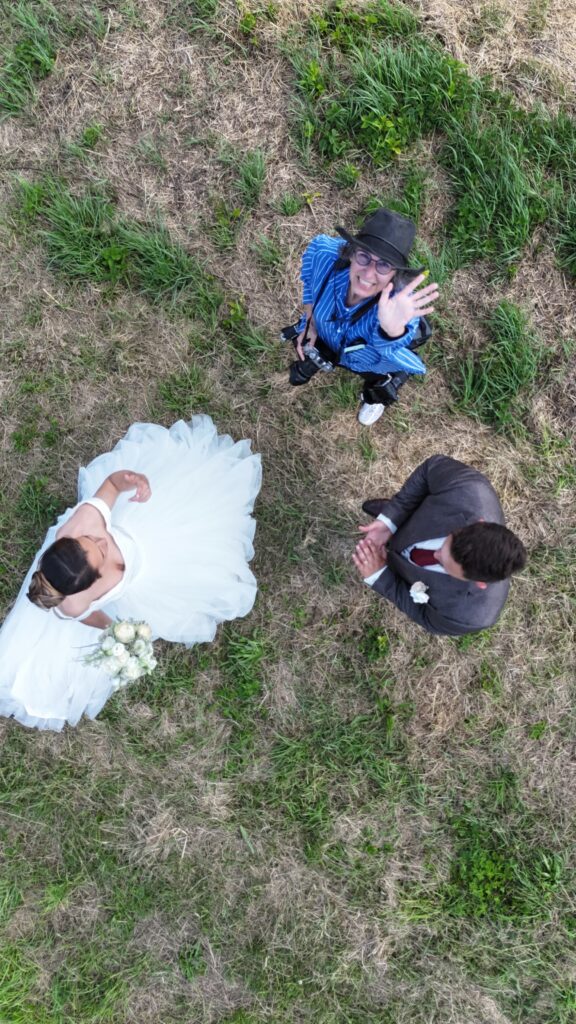
The success of an elopement often starts long before the ceremony itself. Couples who receive support during planning tend to feel calmer, more connected, and achieve a more visually meaningful day. This is why the role of an elopement photographer often begins well before anyone picks up a camera.
Pre-ceremony guidance might include assisting couples in selecting a personal location, determining the best time for privacy and lighting, and creating a timeline that allows for some breathing room. While these details may seem minor initially, they significantly influence the entire experience. A rushed start can disrupt the day, whereas a well-thought-out plan fosters presence, emotion, and stunning imagery.
For destination elopements, early support can be especially beneficial. A destination wedding photographer who understands travel logistics, weather changes, and landscape nuances can help couples avoid common stressors. This knowledge allows couples to make confident decisions instead of relying on guesswork.
Strong elopement photography services often assist couples with:
– Location ideas that align with their vision and comfort level
– Timeline suggestions based on light, travel, and privacy
– Practical tips for clothing, movement, and weather
– Encouragement that alleviates the pressure of being in front of the camera
By the time the ceremony begins, this preparation transforms the atmosphere. Couples feel steadier, more relaxed, and better able to focus on each other. When the day is grounded from the outset, the resulting photographs naturally become more powerful as well.
FAQs
Why is an elopement photographer important beyond taking photos?
An elopement photographer often helps shape the entire experience, not just document it. They may guide location choices, timing, light, privacy, pacing, and how the day flows so couples can stay present and relaxed.
What services should elopement photography include?
Strong elopement photography services often include planning calls, timeline guidance, help with locations and lighting, wedding-day coverage, a professionally edited online gallery, and options for albums or fine-art prints.
How many hours of elopement photography coverage do most couples need?
Coverage depends on the structure of the day. Around 4 to 6 hours can suit a simple local elopement, 6 to 8 hours often fits a relaxed half-day story, and 8 or more hours works well for travel, multiple locations, or a full-day experience.
Why does experience matter for destination or outdoor elopements?
Experienced photographers adapt quickly to weather changes, crowds, shifting light, travel delays, and unfamiliar terrain. That flexibility helps protect the couple’s experience and keeps the day calm when plans need to change.
How do photographers help create natural elopement photos?
Natural images usually come from trust, comfort, and a pace that gives couples room to settle in. Gentle guidance, simple movement, and quiet moments often lead to photographs that feel more honest than heavily posed images.